The New Way We Travel in 2026: Less Hype, More Experience
2016 was a time when travel felt simpler. Fewer rules, fewer expectations, less optimization. You traveled with a rough idea of your destination, without planning every moment in advance or already knowing how it was supposed to look.
Travel was more about the journey than the arrival. There was room for spontaneous decisions, for detours, for days without a fixed plan. Not everything had to be efficient or purposeful and that was exactly what made many trips more exciting and more memorable in the long run.
In the years that followed, travel behavior changed significantly. Planning became more detailed, comparisons more constant, expectations for the “perfect” travel experience higher. Often, places were already familiar before you ever set foot in them.
In 2026, we want to change that again. To return to the unexpected. To let travel become an experience again.
Traveling like in 2016, not as a return to the past, but as a conscious re-order. Travel is thought of more minimally. Less as performance, more as experience. Less as presentation, more as a personal process.
Why 2026 Feels Like 2016
After years of over-optimized trips, social media pressure, and constant comparison, there is a growing desire for simplicity. Travel should feel personal again — not like a project that has to be documented and evaluated.
In 2026, it’s less about perfect itineraries and more about intuition. Less about reach, more about memory. Places are no longer just visited, but experienced.
Just like in 2016. Only more consciously.
Slower, Closer, More Real
In 2026, travel primarily means taking time. Time for a place, for routines, for the feeling of briefly becoming part of a daily life. You stay longer, discover side streets, find your favorite café, and actually arrive. You’re not just escaping your everyday life — you arrive in and experience a new one.
It’s no longer about how many spots you’ve seen, but how you’ve seen them.
The idea of luxury is shifting as well. It’s no longer about size or star ratings, but about atmosphere. Small hotels, design apartments, or places with character feel more appealing than interchangeable perfection. Just like back then, when personal recommendations mattered more than the best Instagram advertising.
At the same time, travel is becoming more personal again. Solo trips or consciously small groups are gaining importance — not as a test of courage, but as space for self-reflection. For many, 2016 was the beginning of solo travel. Ten years later, we understand why we do it.
Travel Destinations 2026 – Underrated, Urban, Relevant
Place de Trocadéro et du 11 Novembre
The clearest sign that 2026 is the new 2016 can be seen in the choice of destinations. The focus is shifting away from iconic postcard motifs toward cities that don’t need to explain themselves — because they work without being constantly observed.
What’s in demand are places with their own rhythm. Cities that aren’t perfectly polished, but show character, history, and everyday life. Travel decisions are no longer driven by hype, but by curiosity.
Second Cities Instead of Global Classics
Just like in the mid-2010s, large, overcrowded metropolises are losing their appeal. Instead, so-called second cities are moving into focus — urban alternatives with more space, more contrast, and less pressure to perform:
- Marseille instead of Paris — rougher, more Mediterranean, unfiltered
- Porto instead of Lisbon — more compact, more local, less staged
- Palermo instead of Milan — chaotic, culturally dense, surprising
- Rotterdam instead of Amsterdam — more modern, raw, architecturally exciting
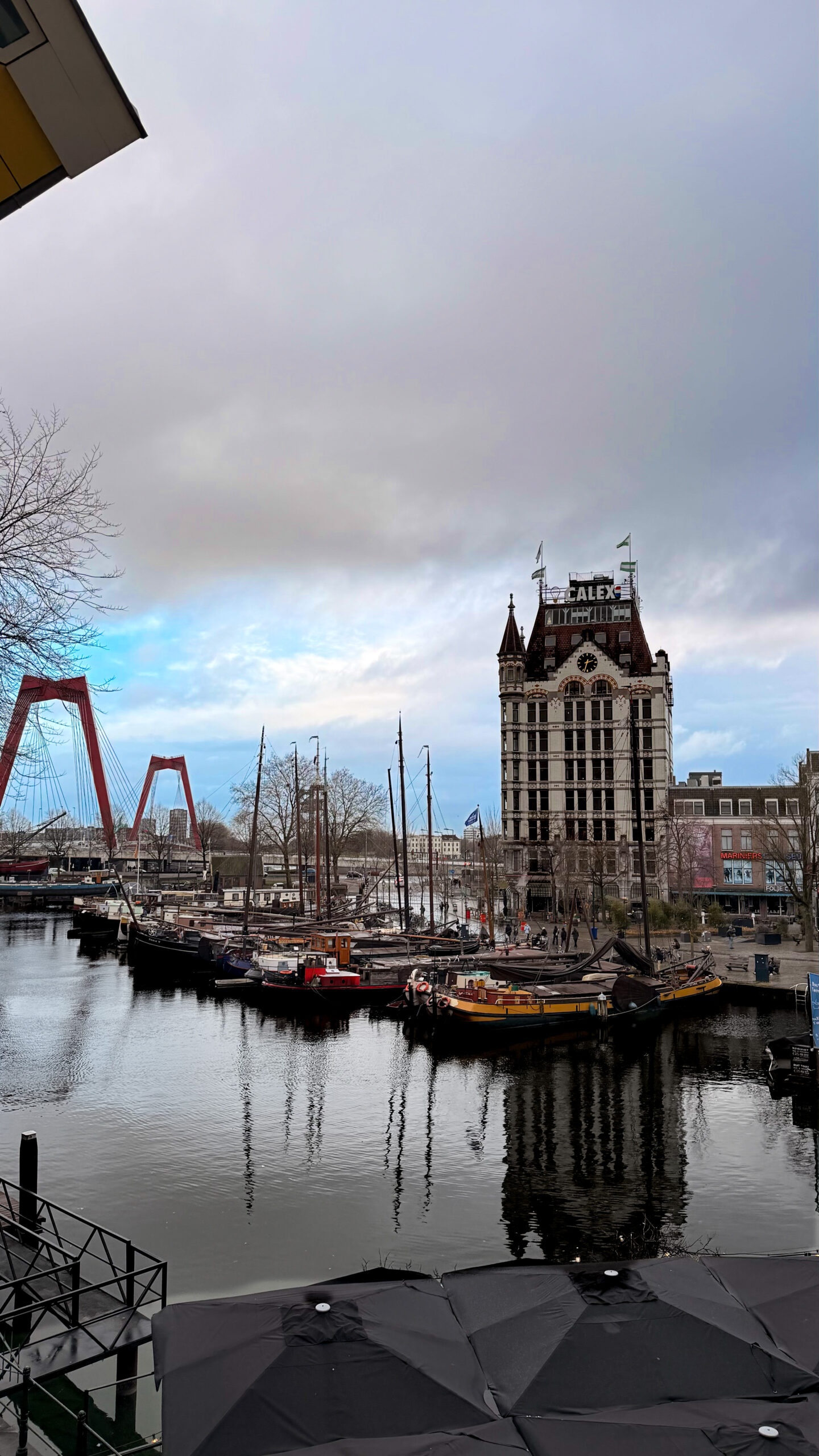
Rotterdam
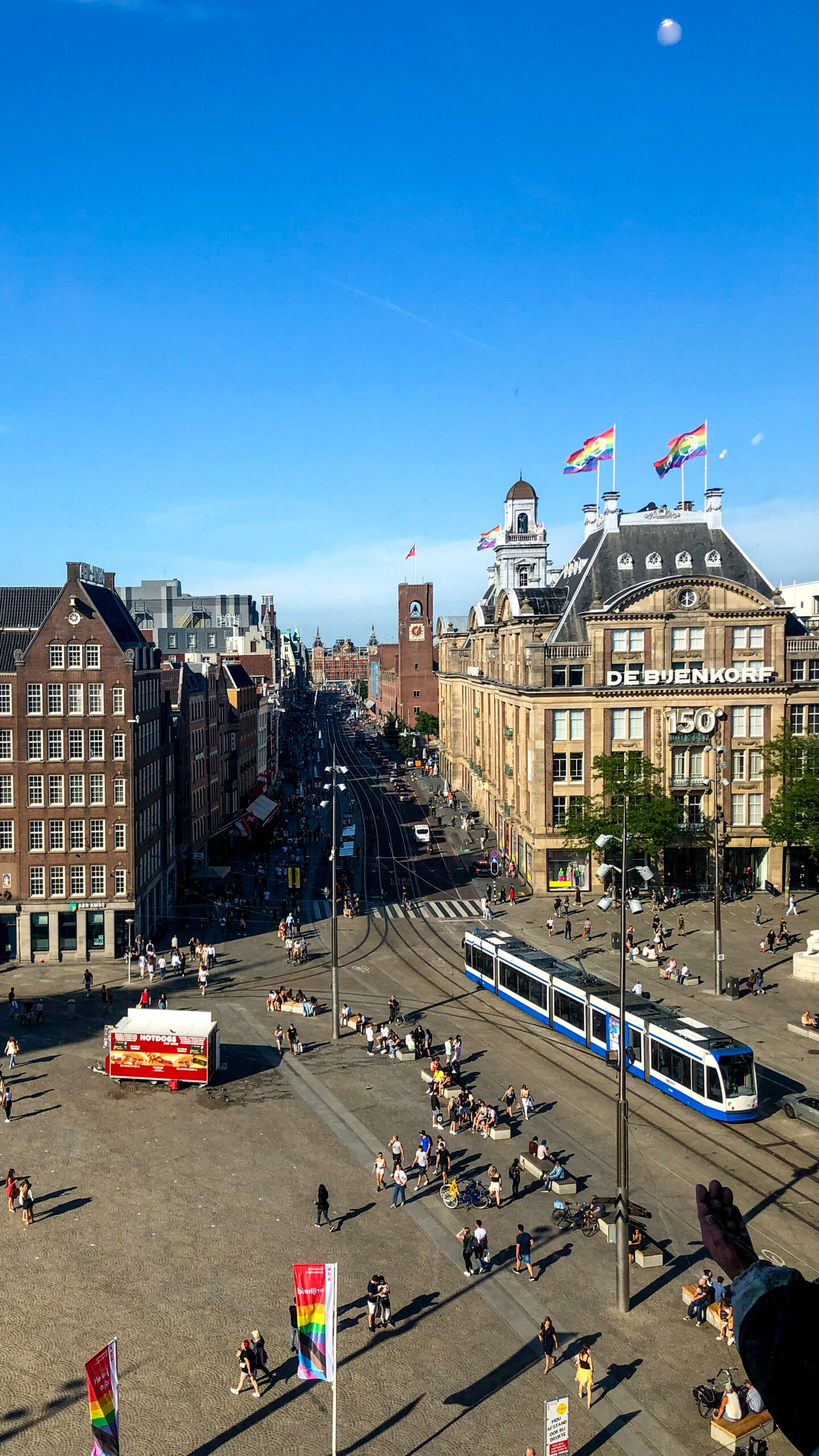
Amsterdam
- Naples instead of Rome — louder, more direct, closer to real life
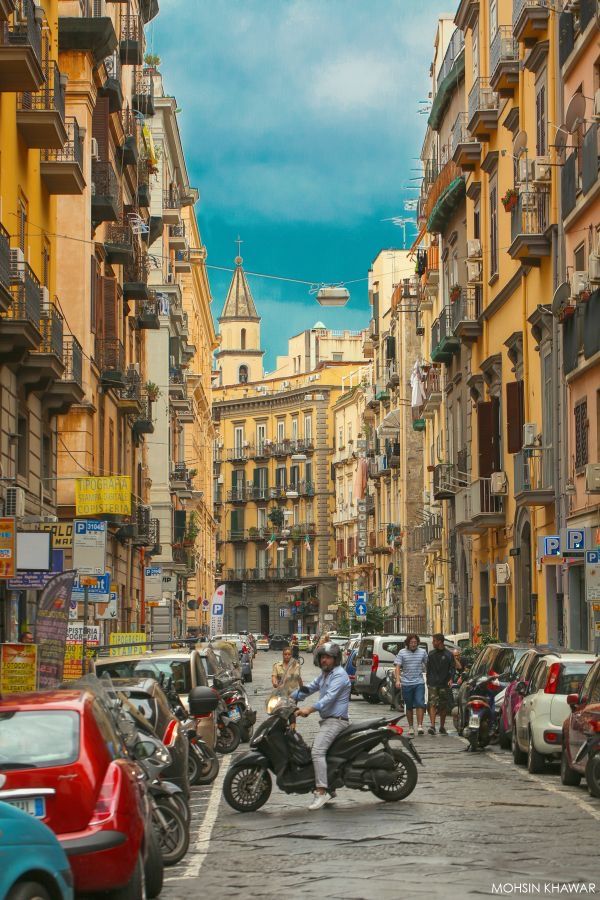
Neapel
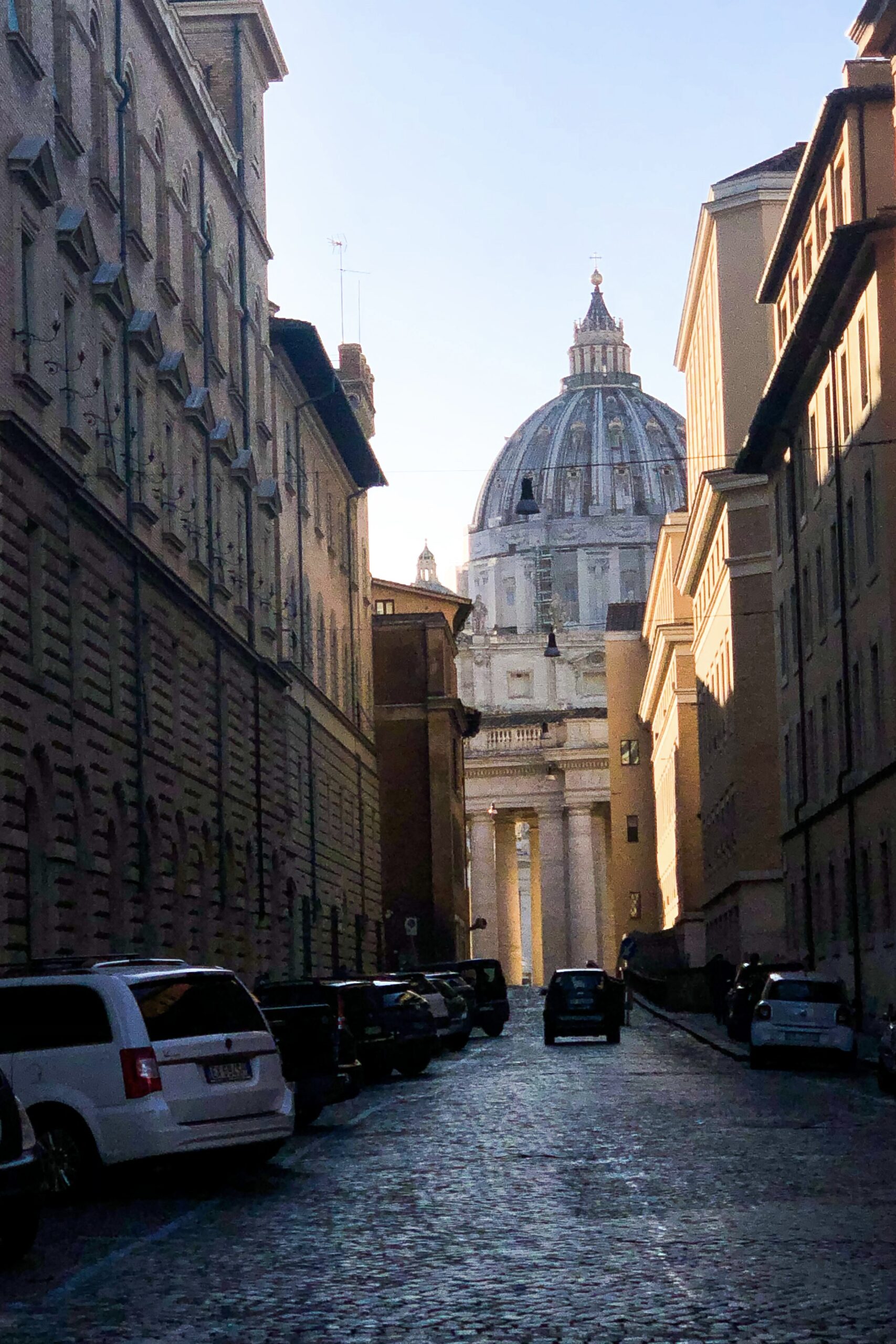
Rom
Just like in the mid-2010s, large, overcrowded metropolises are losing their appeal. Instead, so-called second cities are moving into focus — urban alternatives with more space, more contrast, and less pressure to perform:
Europe in Focus
Europe benefits especially from this shift in 2026. Short trips, train travel, and spontaneous city breaks are easier to integrate into everyday life and feel more slowed down at the same time. Many destinations are familiar — but are perceived differently because the perspective has changed.
It’s less about ticking off a new country and more about experiencing familiar regions more deeply. Europe isn’t being newly discovered — it’s being rediscovered.
My personal tip for a 2026 trip is Skopje! Discover more about Skopje here
Places With Visual and Cultural Time Sense
Especially popular are destinations that evoke the lifestyle of the 2010s: southern cities, harbor towns, urban coastal regions. Places filled with light, movement, and visible everyday life.
Not perfect. Not over-aestheticized. But visually strong, culturally alive, and open enough to let personal stories emerge.
Back to Reality – Real Instead of Social Media
At the same time, the way travel is shared is changing. High-gloss feeds are losing relevance. Instead, snapshots move to the foreground — short clips, details, real impressions.
Travel is being documented again, not staged. Just like in 2016.
Travel as a Feeling, Not a Performance
2026 is not a step backward. It’s a realignment.
We travel again out of curiosity. Out of longing. Out of the desire to feel something — not to prove something.
2026 is the new 2016. The individual comes first, not the audience.
What are your travel goals for 2026? Write them in the comments!
follow for more inspiration @meggiabroad